







★
★
★
★
★
Barbara Miller - Go to reviews
Dr. Timani is caring and has a great bedside manner. I did not have to wait, very considerate and timely.PATIENT REVIEWS
Indications, Important Safety Information and Prescribing Information

All images © 2020 Allergan
Indications, Important Safety Information and Prescribing
Information
BOTOX® Cosmetic
(onabotulinumtoxinA) Important Information
Indications
BOTOX® Cosmetic (onabotulinumtoxinA) is
indicated in adult patients for the temporary improvement in the appearance of:
- Moderate to severe glabellar lines associated with
corrugator and/or procerus muscle activity
- Moderate to severe lateral canthal lines associated with
orbicularis oculi activity
- Moderate to severe forehead lines associated with frontalis
activity
IMPORTANT SAFETY INFORMATION, INCLUDING BOXED WARNING
WARNING: DISTANT SPREAD OF TOXIN EFFECT
Postmarketing reports indicate that the effects of BOTOX® Cosmetic
and all botulinum toxin products may spread from the area of injection to
produce symptoms consistent with botulinum toxin effects. These may include
asthenia, generalized muscle weakness, diplopia, ptosis, dysphagia, dysphonia,
dysarthria, urinary incontinence, and breathing difficulties. These symptoms
have been reported hours to weeks after injection. Swallowing and breathing
difficulties can be life threatening and there have been reports of death. The
risk of symptoms is probably greatest in children treated for spasticity, but
symptoms can also occur in adults treated for spasticity and other conditions,
particularly in those patients who have an underlying condition that would
predispose them to these symptoms. In unapproved uses and approved indications,
cases of spread of effect have been reported at doses comparable to those used
to treat cervical dystonia and spasticity and at lower doses.
CONTRAINDICATIONS
BOTOX® Cosmetic is contraindicated in the
presence of infection at the proposed injection site(s) and in individuals with
known hypersensitivity to any botulinum toxin preparation or to any of the
components in the formulation.
WARNINGS AND PRECAUTIONS
Lack of Interchangeability Between Botulinum Toxin
Products
The potency units of BOTOX® Cosmetic are
specific to the preparation and assay method utilized. They are not interchangeable
with other preparations of botulinum toxin products and, therefore, units of
biological activity of BOTOX® Cosmetic cannot be compared to
nor converted into units of any other botulinum toxin products assessed with
any other specific assay method.
Spread of Toxin Effect
Please refer to Boxed Warning for Distant Spread of Toxin
Effect.
No definitive serious adverse event reports of distant
spread of toxin effect associated with dermatologic use of BOTOX® Cosmetic
at the labeled dose of 20 Units (for glabellar lines), 24 Units (for lateral
canthal lines), 40 Units (for forehead lines with glabellar lines), 44 Units
(for simultaneous treatment of lateral canthal lines and glabellar lines), and
64 Units (for simultaneous treatment of lateral canthal lines, glabellar lines,
and forehead lines) have been reported. Patients or caregivers should be
advised to seek immediate medical care if swallowing, speech, or respiratory
disorders occur.
Serious Adverse Reactions With Unapproved Use
Serious adverse reactions, including excessive weakness,
dysphagia, and aspiration pneumonia, with some adverse reactions associated
with fatal outcomes, have been reported in patients who received BOTOX® injections
for unapproved uses. In these cases, the adverse reactions were not necessarily
related to distant spread of toxin, but may have resulted from the
administration of BOTOX® to the site of injection and/or
adjacent structures. In several of the cases, patients had pre-existing
dysphagia or other significant disabilities. There is insufficient information
to identify factors associated with an increased risk for adverse reactions
associated with the unapproved uses of BOTOX®. The safety and
effectiveness of BOTOX® for unapproved uses have not been
established.
Hypersensitivity Reactions
Serious and/or immediate hypersensitivity reactions have
been reported. These reactions include anaphylaxis, serum sickness, urticaria,
soft-tissue edema, and dyspnea. If such reactions occur, further injection of
BOTOX® Cosmetic should be discontinued and appropriate medical
therapy immediately instituted. One fatal case of anaphylaxis has been reported
in which lidocaine was used as the diluent and, consequently, the causal agent
cannot be reliably determined.
Cardiovascular System
There have been reports following administration of BOTOX® of
adverse events involving the cardiovascular system, including arrhythmia and
myocardial infarction, some with fatal outcomes. Some of these patients had
risk factors including pre-existing cardiovascular disease. Use caution when
administering to patients with pre-existing cardiovascular disease.
Increased Risk of Clinically Significant Effects With
Pre-existing Neuromuscular Disorders
Individuals with peripheral motor neuropathic diseases,
amyotrophic lateral sclerosis, or neuromuscular junction disorders (eg,
myasthenia gravis or Lambert-Eaton syndrome) should be monitored when given
botulinum toxin. Patients with neuromuscular disorders may be at increased risk
of clinically significant effects including generalized muscle weakness,
diplopia, ptosis, dysphonia, dysarthria, severe dysphagia, and respiratory
compromise from onabotulinumtoxinA (see Warnings and
Precautions).
Dysphagia and Breathing Difficulties
Treatment with BOTOX® and other botulinum
toxin products can result in swallowing or breathing difficulties. Patients
with pre-existing swallowing or breathing difficulties may be more susceptible
to these complications. In most cases, this is a consequence of weakening of
muscles in the area of injection that are involved in breathing or
oropharyngeal muscles that control swallowing or breathing (see Boxed
Warning).
Pre-existing Conditions at the Injection Site
Caution should be used when BOTOX® Cosmetic
treatment is used in the presence of inflammation at the proposed injection
site(s) or when excessive weakness or atrophy is present in the target
muscle(s).
Dry Eye in Patients Treated With BOTOX® Cosmetic
There have been reports of dry eye associated with BOTOX® Cosmetic
injection in or near the orbicularis oculi muscle. If symptoms of dry eye (eg,
eye irritation, photophobia, or visual changes) persist, consider referring
patients to an ophthalmologist.
Human Albumin and Transmission of Viral Diseases
This product contains albumin, a derivative of human blood.
Based on effective donor screening and product manufacturing processes, it
carries an extremely remote risk for transmission of viral diseases and variant
Creutzfeldt-Jakob disease (vCJD). There is a theoretical risk for transmission
of Creutzfeldt-Jakob disease (CJD), but if that risk actually exists, the risk
of transmission would also be considered extremely remote. No cases of
transmission of viral diseases, CJD or vCJD have ever been identified for
licensed albumin or albumin contained in other licensed products.
ADVERSE REACTIONS
The most frequently reported adverse reactions following
injection of BOTOX® Cosmetic for glabellar lines were eyelid
ptosis (3%), facial pain (1%), facial paresis (1%), and muscular weakness (1%).
The most frequently reported adverse reaction following
injection of BOTOX® Cosmetic for lateral canthal lines was
eyelid edema (1%).
The most frequently reported adverse reactions following
injection of BOTOX® Cosmetic for forehead lines with glabellar
lines were headache (9%), brow ptosis (2%), and eyelid ptosis (2%).
DRUG INTERACTIONS
Co-administration of BOTOX® Cosmetic and
aminoglycosides or other agents interfering with neuromuscular transmission
(eg, curare-like compounds) should only be performed with caution as the effect
of the toxin may be potentiated. Use of anticholinergic drugs after
administration of BOTOX® Cosmetic may potentiate systemic
anticholinergic effects.
The effect of administering different botulinum neurotoxin
products at the same time or within several months of each other is unknown.
Excessive neuromuscular weakness may be exacerbated by
administration of another botulinum toxin prior to the
resolution of the effects of a previously administered botulinum toxin.
Excessive weakness may also be exaggerated by administration
of a muscle relaxant before or after administration of BOTOX® Cosmetic.
USE IN SPECIFIC POPULATIONS
There are no studies or adequate data from postmarketing
surveillance on the developmental risk associated with use of BOTOX® Cosmetic
in pregnant women. There are no data on the presence of BOTOX® Cosmetic
in human or animal milk, the effects on the breastfed child, or the effects on
milk production.
Please see BOTOX® Cosmetic
full Prescribing
Information including Boxed Warning and Medication Guide.
Refresh Your Look Without Losing Your Expression
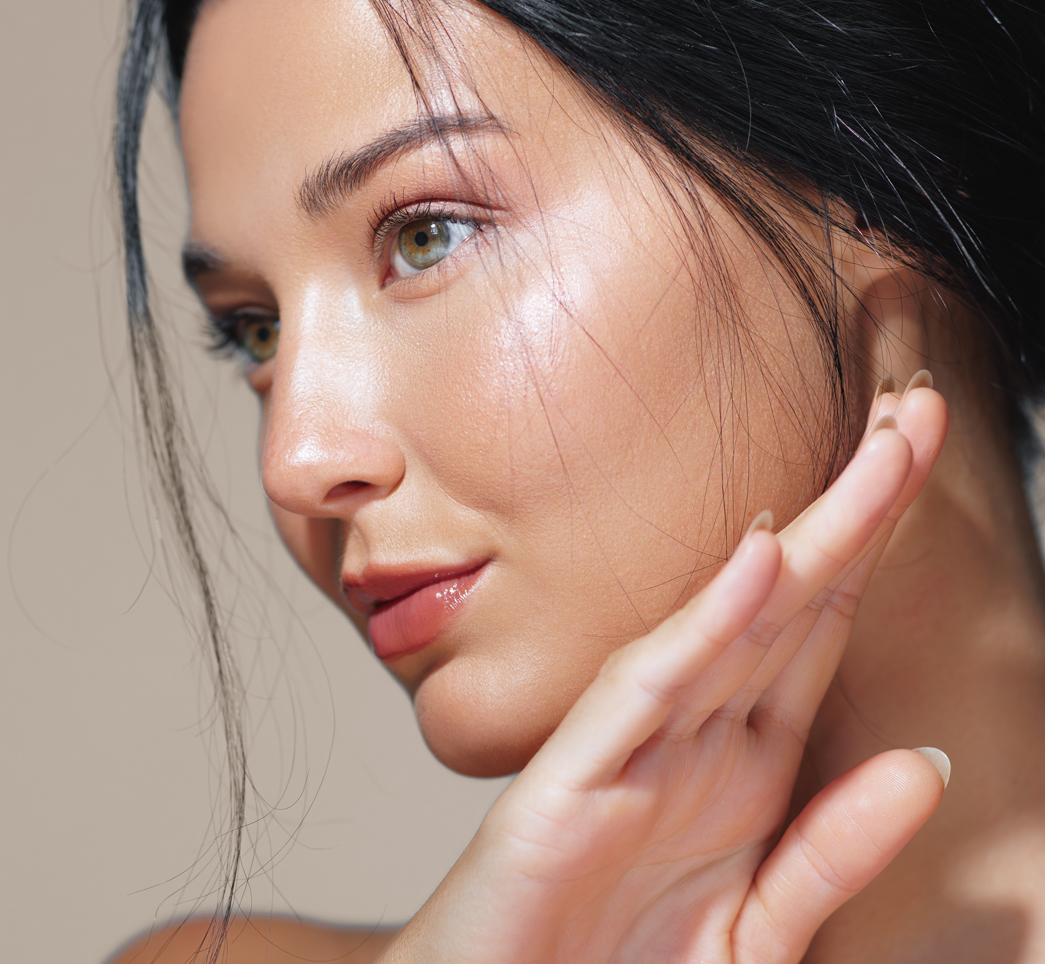
You want to look rested and refreshed, not frozen. Maybe forehead lines, frown lines, or crow's feet are becoming more noticeable, and you're wondering whether Botox can help without changing how you look.
At Johns Creek Dermatology, every Botox and wrinkle relaxer treatment is personally performed by Dr. Shereen Timani, a triple board-certified dermatologist. She considers how your face moves, where lines form, and how much treatment you need, with the goal of softening wrinkles while preserving your natural expressions.
We offer Botox®, Dysport®, and Xeomin®. Most patients can return to their usual activities right away, although temporary redness, swelling, or bruising at the injection sites may occur.
We welcome patients from Peachtree Corners, Suwanee, Duluth, and surrounding North Atlanta communities. We also participate in the Allē Rewards program for eligible treatments.
Call (770) 771-6591 or schedule your consultation online.
Why Patients Trust Johns Creek Dermatology for Botox
Every Injection by Dr. Timani
Dr. Shereen Timani personally performs every Botox, Dysport, and Xeomin treatment. Injections are never delegated to another provider.
A Plan Based on How Your Face Moves
Muscle strength, expression patterns, and how you've responded to past treatments all affect where and how much product is used. Dr. Timani tailors each treatment rather than following a standard formula.
Transparent, Unit-Based Pricing
You pay only for the units you receive, with no flat-rate packages. The number of units varies by treatment area and individual anatomy, and Dr. Timani explains her recommendation before treatment.
Products Prepared to Manufacturer Standards
Each product is handled and prepared according to the manufacturer's instructions, using appropriate sterile technique.
Time for Your Questions
First visit or fifth, your consultation is never rushed. We take time to understand your goals and explain what to expect..
Beyond Wrinkle Reduction
We go beyond the basics to deliver results that look effortless and feel empowering. Whether you're new to Botox®, Dysport®, and Xeomin® or exploring advanced techniques, here's what injectables can do for you:
Botox®, Dysport®, and Xeomin® are FDA-approved for specific cosmetic uses, although their approved indications differ. Some treatments below involve off-label techniques or treatment areas. Dr. Timani will explain which product may be appropriate for your concerns and what results you can realistically expect.
Forehead Lines, Frown Lines & Crow's Feet
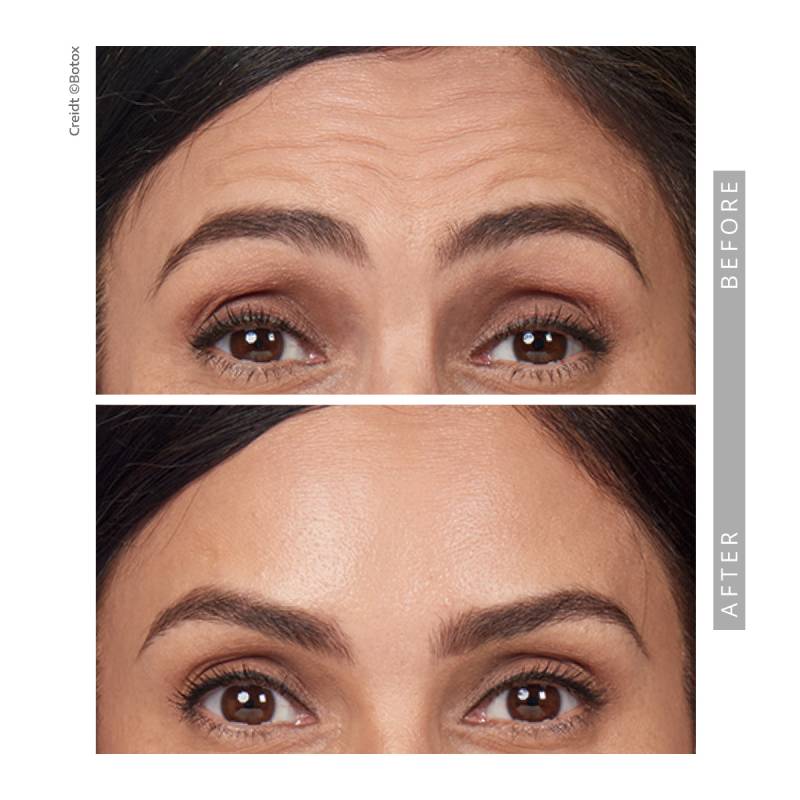
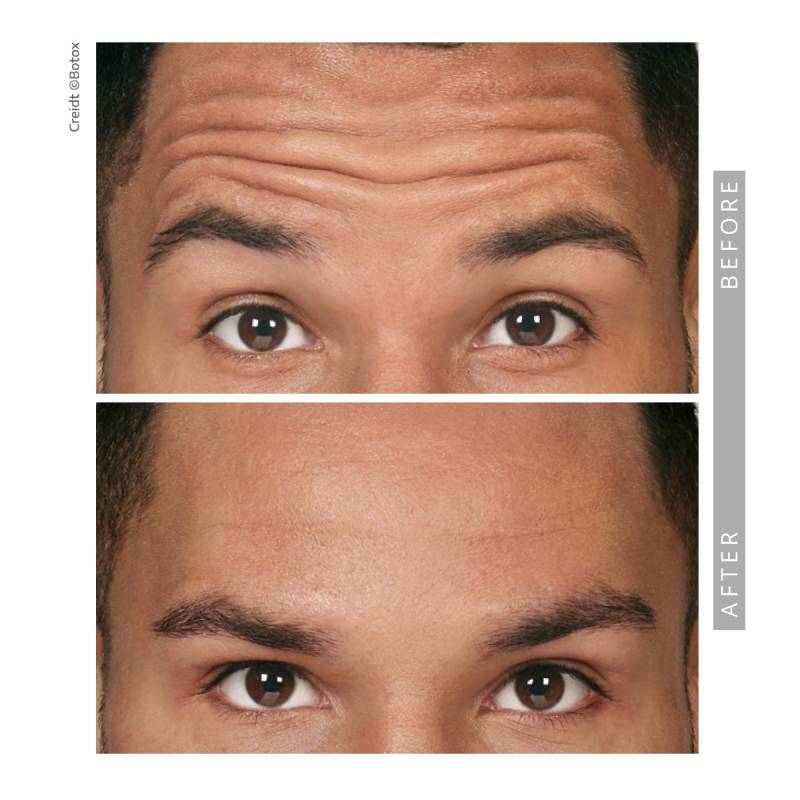
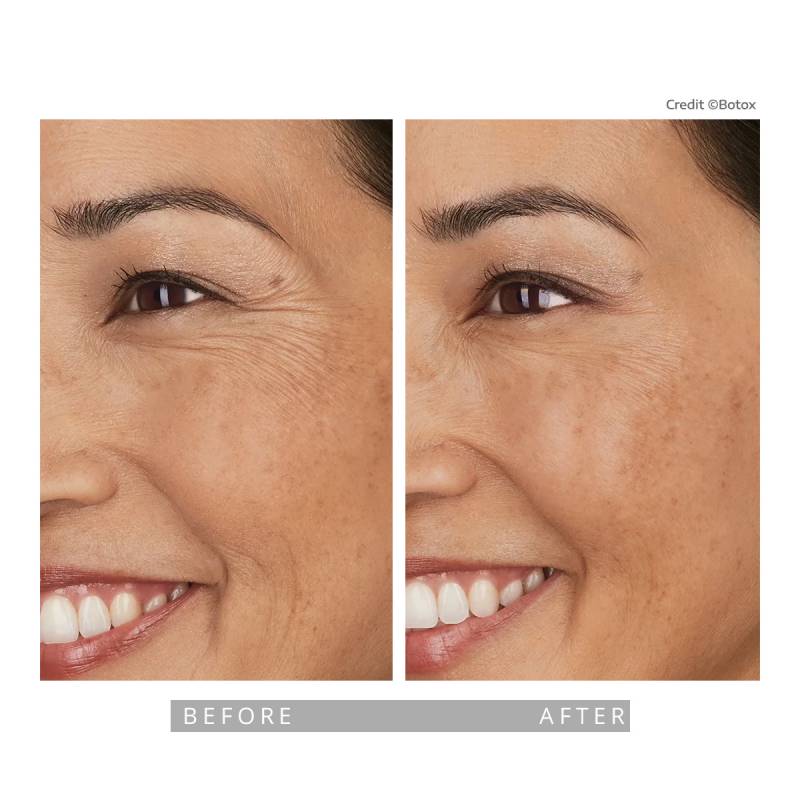
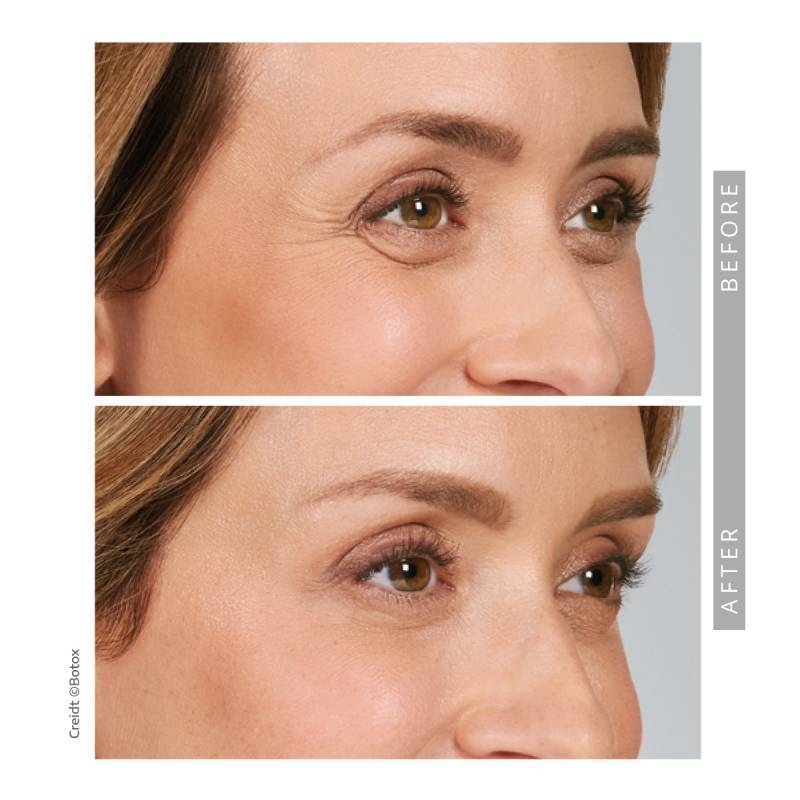
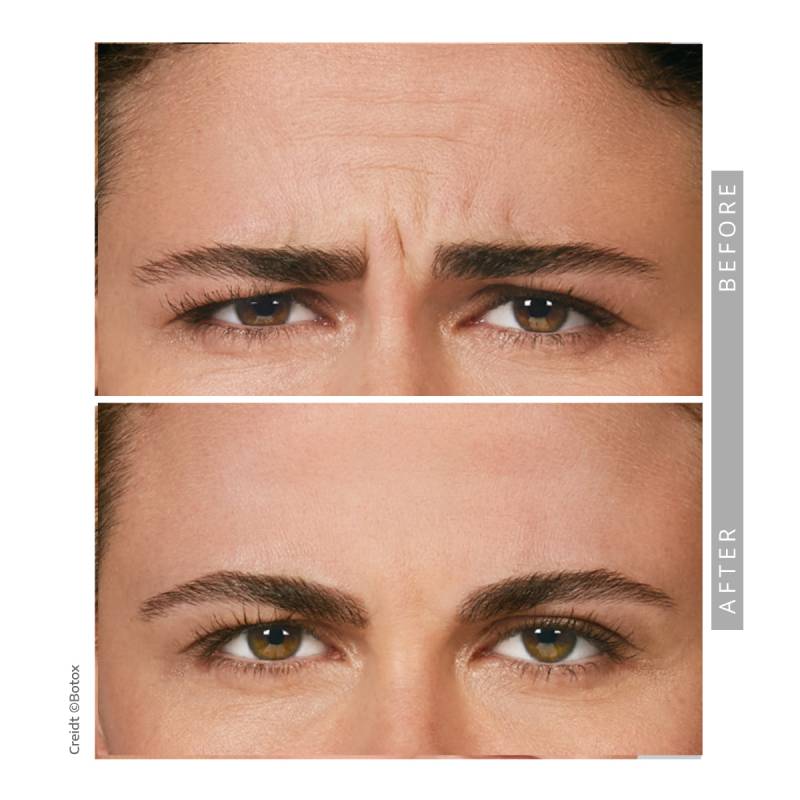
These are among the most common reasons patients choose wrinkle relaxers. By temporarily relaxing the muscles responsible for expression lines, treatment can soften their appearance while aiming to preserve natural facial movement.
Masseter Botox for Jaw Slimming
For patients with enlarged jaw muscles, masseter injections may gradually soften the appearance of a wide or square lower face. This is an off-label use, and suitability depends on your facial structure.
Lip Flip (Non-Surgical Lip Enhancement)
A small amount of neurotoxin injected near the upper lip may allow it to roll outward slightly, making more of the lip visible. Results are subtle and don't add volume. Patients seeking greater fullness may prefer lip fillers.
Nefertiti Neck & Jawline Treatment
Botox Cosmetic is FDA-approved to temporarily improve the appearance of moderate to severe platysma bands in adults. The broader Nefertiti technique may involve off-label injection patterns to address selected jawline and neck concerns.
Results depend on your anatomy and skin quality, and treatment does not replace procedures designed to address significant skin laxity.
Pore & Oil Control (Microtox)
Microtox uses small, diluted doses of botulinum toxin delivered superficially through targeted injections or, when appropriate, a device such as Aquagold®.
This off-label technique may help reduce oiliness and the appearance of enlarged pores, although evidence is limited and results vary.
Redness & Flushing
For some patients experiencing persistent facial redness or flushing, intradermal Microtox may offer improvement.
This is an off-label approach with limited clinical evidence. It is not a standard first-line rosacea treatment or a cure, but may be considered alongside other rosacea treatments when appropriate.
Not every concern calls for a wrinkle relaxer. If your main concern is volume loss or deeper facial folds, dermal fillers may be more appropriate.
Book Your Botox®, Dysport®, or Xeomin® Consultation Today
Not sure which treatment or how much you need? You don’t have to decide before your visit. Dr. Timani will review your goals, explain your options, and recommend a plan that looks natural on you.
Call (770) 771-6591 or schedule your consultation online.
Our Johns Creek location welcomes patients from Peachtree Corners, Norcross, Suwanee, Duluth, Alpharetta, Roswell, and surrounding North Atlanta communities.
Botox Frequently Asked Questions
How does Botox work?
Botox and similar wrinkle relaxers temporarily relax the muscles responsible for expression lines. They work best on wrinkles caused by movement, such as frown lines and crow's feet, although some lines visible at rest may also soften.
What's the difference between Botox, Dysport, and Xeomin?
All three are botulinum toxin type A products, but they differ in formulation, approved uses, and dosing. Their units are not interchangeable. Dr. Timani will recommend a product based on your treatment area, medical history, and goals.
Will I look frozen or overdone?
That is a common concern, especially for first-time patients. Dr. Timani plans treatment conservatively, aiming to soften wrinkles while preserving natural expressions. She will discuss your preferences and explain what results are realistic.
Does Botox hurt?
Most patients describe a quick pinch. The needles are very fine, and injections usually take only a few minutes. Let us know if you're anxious about needles so we can discuss ways to make treatment more comfortable.
When will I see results, and how long do they last?
Many patients notice changes within a few days, with results generally developing over approximately two weeks. Effects commonly last around 3 to 4 months, although timing varies by product, treatment area, and individual response.
How many Botox units will I need?
The number depends on the treatment area, your muscle activity, and the product used. FDA-approved treatments have recommended dosing guidelines, and Dr. Timani will explain the treatment plan appropriate for you.
How much does Botox cost?
We use unit-based pricing rather than flat-rate treatment packages. Cost depends on the product and number of units needed, which Dr. Timani will review before treatment. We also participate in Allē Rewards for eligible treatments.
Is there downtime after Botox?
Most patients can return to their usual activities shortly after treatment. Temporary redness, swelling, tenderness, or bruising may occur at injection sites. Dr. Timani will provide instructions about activities and precautions following your appointment.
What are the possible side effects?
Temporary redness, swelling, bruising, or headache may occur. Less common effects include temporary eyelid or brow drooping.
Rare but serious complications are possible. Seek immediate medical attention if you experience difficulty breathing, swallowing, or speaking after treatment. Dr. Timani will review relevant risks before your injections.
Who should avoid Botox?
Botox Cosmetic should not be used by people with an infection at the proposed injection site or a known allergy to botulinum toxin products or their ingredients.
Treatment is generally avoided during pregnancy and breastfeeding because safety information is limited. Certain neuromuscular conditions may increase the risk of complications and require careful medical evaluation.
Tell Dr. Timani about your medical history, medications, and previous injectable treatments during your consultation.
Can men get Botox?
Yes. Men commonly choose wrinkle relaxers to soften forehead lines, frown lines, and crow's feet. Treatment is planned around individual facial anatomy, muscle strength, and the degree of movement reduction desired.
Is there a right age to start Botox?
There is no single ideal age for adults. Some patients begin when expression lines first become bothersome, while others wait until later. Dr. Timani considers your skin, facial movement, and treatment goals rather than recommending injections based on age alone.
What's the difference between Botox and dermal fillers?
Botox temporarily relaxes muscles that cause expression lines, while dermal fillers can restore lost volume and soften certain folds. Depending on your concerns, one treatment or a combination may be appropriate.
RESOURCES
Indications, Important Safety Information and Prescribing Information
All images © 2020 Allergan
Indications, Important Safety Information and Prescribing
Information
BOTOX® Cosmetic
(onabotulinumtoxinA) Important Information
Indications
BOTOX® Cosmetic (onabotulinumtoxinA) is
indicated in adult patients for the temporary improvement in the appearance of:
- Moderate to severe glabellar lines associated with
corrugator and/or procerus muscle activity
- Moderate to severe lateral canthal lines associated with
orbicularis oculi activity
- Moderate to severe forehead lines associated with frontalis
activity
IMPORTANT SAFETY INFORMATION, INCLUDING BOXED WARNING
WARNING: DISTANT SPREAD OF TOXIN EFFECT
Postmarketing reports indicate that the effects of BOTOX® Cosmetic
and all botulinum toxin products may spread from the area of injection to
produce symptoms consistent with botulinum toxin effects. These may include
asthenia, generalized muscle weakness, diplopia, ptosis, dysphagia, dysphonia,
dysarthria, urinary incontinence, and breathing difficulties. These symptoms
have been reported hours to weeks after injection. Swallowing and breathing
difficulties can be life threatening and there have been reports of death. The
risk of symptoms is probably greatest in children treated for spasticity, but
symptoms can also occur in adults treated for spasticity and other conditions,
particularly in those patients who have an underlying condition that would
predispose them to these symptoms. In unapproved uses and approved indications,
cases of spread of effect have been reported at doses comparable to those used
to treat cervical dystonia and spasticity and at lower doses.
CONTRAINDICATIONS
BOTOX® Cosmetic is contraindicated in the
presence of infection at the proposed injection site(s) and in individuals with
known hypersensitivity to any botulinum toxin preparation or to any of the
components in the formulation.
WARNINGS AND PRECAUTIONS
Lack of Interchangeability Between Botulinum Toxin
Products
The potency units of BOTOX® Cosmetic are
specific to the preparation and assay method utilized. They are not interchangeable
with other preparations of botulinum toxin products and, therefore, units of
biological activity of BOTOX® Cosmetic cannot be compared to
nor converted into units of any other botulinum toxin products assessed with
any other specific assay method.
Spread of Toxin Effect
Please refer to Boxed Warning for Distant Spread of Toxin
Effect.
No definitive serious adverse event reports of distant
spread of toxin effect associated with dermatologic use of BOTOX® Cosmetic
at the labeled dose of 20 Units (for glabellar lines), 24 Units (for lateral
canthal lines), 40 Units (for forehead lines with glabellar lines), 44 Units
(for simultaneous treatment of lateral canthal lines and glabellar lines), and
64 Units (for simultaneous treatment of lateral canthal lines, glabellar lines,
and forehead lines) have been reported. Patients or caregivers should be
advised to seek immediate medical care if swallowing, speech, or respiratory
disorders occur.
Serious Adverse Reactions With Unapproved Use
Serious adverse reactions, including excessive weakness,
dysphagia, and aspiration pneumonia, with some adverse reactions associated
with fatal outcomes, have been reported in patients who received BOTOX® injections
for unapproved uses. In these cases, the adverse reactions were not necessarily
related to distant spread of toxin, but may have resulted from the
administration of BOTOX® to the site of injection and/or
adjacent structures. In several of the cases, patients had pre-existing
dysphagia or other significant disabilities. There is insufficient information
to identify factors associated with an increased risk for adverse reactions
associated with the unapproved uses of BOTOX®. The safety and
effectiveness of BOTOX® for unapproved uses have not been
established.
Hypersensitivity Reactions
Serious and/or immediate hypersensitivity reactions have
been reported. These reactions include anaphylaxis, serum sickness, urticaria,
soft-tissue edema, and dyspnea. If such reactions occur, further injection of
BOTOX® Cosmetic should be discontinued and appropriate medical
therapy immediately instituted. One fatal case of anaphylaxis has been reported
in which lidocaine was used as the diluent and, consequently, the causal agent
cannot be reliably determined.
Cardiovascular System
There have been reports following administration of BOTOX® of
adverse events involving the cardiovascular system, including arrhythmia and
myocardial infarction, some with fatal outcomes. Some of these patients had
risk factors including pre-existing cardiovascular disease. Use caution when
administering to patients with pre-existing cardiovascular disease.
Increased Risk of Clinically Significant Effects With
Pre-existing Neuromuscular Disorders
Individuals with peripheral motor neuropathic diseases,
amyotrophic lateral sclerosis, or neuromuscular junction disorders (eg,
myasthenia gravis or Lambert-Eaton syndrome) should be monitored when given
botulinum toxin. Patients with neuromuscular disorders may be at increased risk
of clinically significant effects including generalized muscle weakness,
diplopia, ptosis, dysphonia, dysarthria, severe dysphagia, and respiratory
compromise from onabotulinumtoxinA (see Warnings and
Precautions).
Dysphagia and Breathing Difficulties
Treatment with BOTOX® and other botulinum
toxin products can result in swallowing or breathing difficulties. Patients
with pre-existing swallowing or breathing difficulties may be more susceptible
to these complications. In most cases, this is a consequence of weakening of
muscles in the area of injection that are involved in breathing or
oropharyngeal muscles that control swallowing or breathing (see Boxed
Warning).
Pre-existing Conditions at the Injection Site
Caution should be used when BOTOX® Cosmetic
treatment is used in the presence of inflammation at the proposed injection
site(s) or when excessive weakness or atrophy is present in the target
muscle(s).
Dry Eye in Patients Treated With BOTOX® Cosmetic
There have been reports of dry eye associated with BOTOX® Cosmetic
injection in or near the orbicularis oculi muscle. If symptoms of dry eye (eg,
eye irritation, photophobia, or visual changes) persist, consider referring
patients to an ophthalmologist.
Human Albumin and Transmission of Viral Diseases
This product contains albumin, a derivative of human blood.
Based on effective donor screening and product manufacturing processes, it
carries an extremely remote risk for transmission of viral diseases and variant
Creutzfeldt-Jakob disease (vCJD). There is a theoretical risk for transmission
of Creutzfeldt-Jakob disease (CJD), but if that risk actually exists, the risk
of transmission would also be considered extremely remote. No cases of
transmission of viral diseases, CJD or vCJD have ever been identified for
licensed albumin or albumin contained in other licensed products.
ADVERSE REACTIONS
The most frequently reported adverse reactions following
injection of BOTOX® Cosmetic for glabellar lines were eyelid
ptosis (3%), facial pain (1%), facial paresis (1%), and muscular weakness (1%).
The most frequently reported adverse reaction following
injection of BOTOX® Cosmetic for lateral canthal lines was
eyelid edema (1%).
The most frequently reported adverse reactions following
injection of BOTOX® Cosmetic for forehead lines with glabellar
lines were headache (9%), brow ptosis (2%), and eyelid ptosis (2%).
DRUG INTERACTIONS
Co-administration of BOTOX® Cosmetic and
aminoglycosides or other agents interfering with neuromuscular transmission
(eg, curare-like compounds) should only be performed with caution as the effect
of the toxin may be potentiated. Use of anticholinergic drugs after
administration of BOTOX® Cosmetic may potentiate systemic
anticholinergic effects.
The effect of administering different botulinum neurotoxin
products at the same time or within several months of each other is unknown.
Excessive neuromuscular weakness may be exacerbated by
administration of another botulinum toxin prior to the
resolution of the effects of a previously administered botulinum toxin.
Excessive weakness may also be exaggerated by administration
of a muscle relaxant before or after administration of BOTOX® Cosmetic.
USE IN SPECIFIC POPULATIONS
There are no studies or adequate data from postmarketing
surveillance on the developmental risk associated with use of BOTOX® Cosmetic
in pregnant women. There are no data on the presence of BOTOX® Cosmetic
in human or animal milk, the effects on the breastfed child, or the effects on
milk production.
Please see BOTOX® Cosmetic
full Prescribing
Information including Boxed Warning and Medication Guide.
★
★
★
★
★
Barbara Miller - Go to reviews
Dr. Timani is caring and has a great bedside manner. I did not have to wait, very considerate and timely.PATIENT REVIEWS