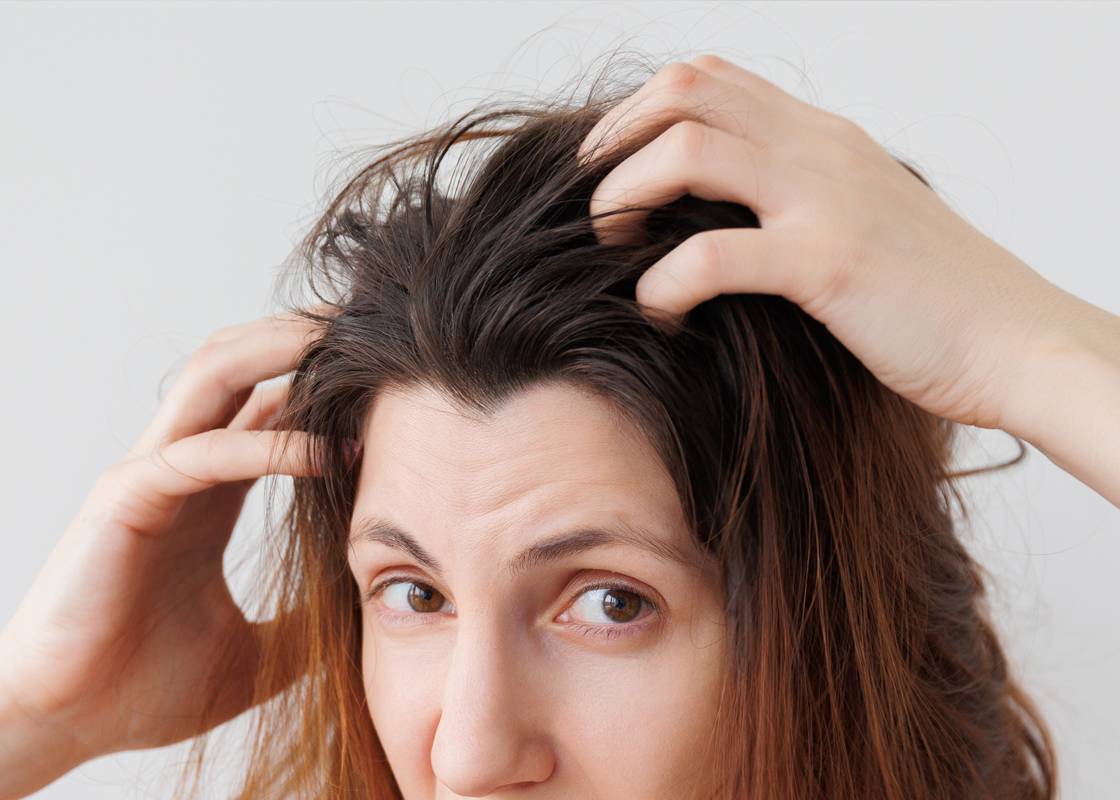
If you’ve ever noticed flakes on your shoulders and extra strands in the shower, you’re not alone. Many of my patients walk in worried that dandruff might be making their hair fall out — and the good news is that in most cases, the problem is manageable and reversible. Let’s break it down simply and clearly.
What Exactly Is Dandruff?
Dandruff happens when your scalp sheds flakes of skin faster than usual. It’s incredibly common and usually linked to:
• An overgrowth of the yeast Malassezia
• Excess oil on the scalp
• Stress
• Sensitivity to certain hair products
• Dry winter air
You may notice:
• White or yellow flakes
• Mild scalp itchiness
• Flakes on your clothes or hairbrush
•Worsening symptoms in cold or dry weather
Dandruff can feel embarrassing, but it’s not a sign of poor hygiene—and most cases respond well to the right treatments.
Can Dandruff Cause Hair Loss?
Here’s the truth: Dandruff itself doesn’t cause permanent hair loss, but it can contribute to increased shedding.
Why Dandruff Leads to Shedding
1. Itching → scratching → follicle damage
Persistent scratching irritates the scalp and weakens hair at the root.
2. Inflammation
Moderate to severe dandruff (seborrheic dermatitis) creates inflammation that disrupts the natural hair growth cycle.
3. Stress
Flakes can be stressful — and stress can trigger temporary shedding (telogen effluvium).
Is the Hair Loss Permanent?
No. Once dandruff is treated, shedding usually normalizes and hair recovers.
Signs Your Hair Loss Is Linked to Dandruff
You may be dealing with dandruff-related shedding if you notice:
• More hair in your brush
• Increased shedding during shampooing
• Itchy, flaky scalp
• Redness or irritation
• Oily or tender scalp If you see circular bald patches or sudden severe shedding, that may be something else — and dermatologists can help diagnose it.
How to Treat Dandruff
1. Medicated Shampoos
Your dermatologist may prescribe medicated shampoos containing ingredients such as:
• Ketoconazole
• Zinc pyrithione
• Selenium sulfide
• Salicylic acid
• Coal tar
Use them 2–3 times per week and rotate formulas for best results.
2. Wash Regularly
Skipping washes can worsen oil buildup and flaking.
3. Moisturize the Scalp
A gentle scalp moisturizer or dermatologist-recommended oil can reduce dryness and itching.
4. Avoid Scratching
Scratching increases inflammation and shedding.
5. Be Gentle with Styling
Avoid tight hairstyles, heavy gels, or excessive heat during active flare-ups.
When to See a Dermatologist
You should seek care if:
• Over-the-counter shampoos stopped helping
• Your scalp is painful, red, or swollen
• You’re noticing worsening shedding
• Flakes are thick, greasy, or persistent
• The condition affects your eyebrows, beard, or ears
A board-certified dermatologist can prescribe stronger treatments, check for other causes of hair shedding, and make sure you’re managing dandruff correctly.
Your Scalp Deserves Better Than a Snowstorm
Dandruff is extremely common — and yes, it can contribute to temporary hair shedding. But with the right treatment plan, you can calm the flakes, reduce irritation, and support healthy hair growth again. If you’re struggling with persistent dandruff or noticing hair changes, our dermatology team in Johns Creek can help you get a clear diagnosis and a personalized treatment plan.