Tanning peptides are having a moment. Between viral videos, forum threads, and even a nickname (the "Barbie peptide"), it's hard to scroll through social media right now without seeing someone talk about injecting their way to a summer glow. It's no surprise our patients have started asking us about it too.
So today, we want to slow down and actually answer the question properly: what are these peptides, does anything about that online chatter hold up, and why are dermatologists and skin cancer organizations telling people to stay away?
What Melanotan II Actually Is
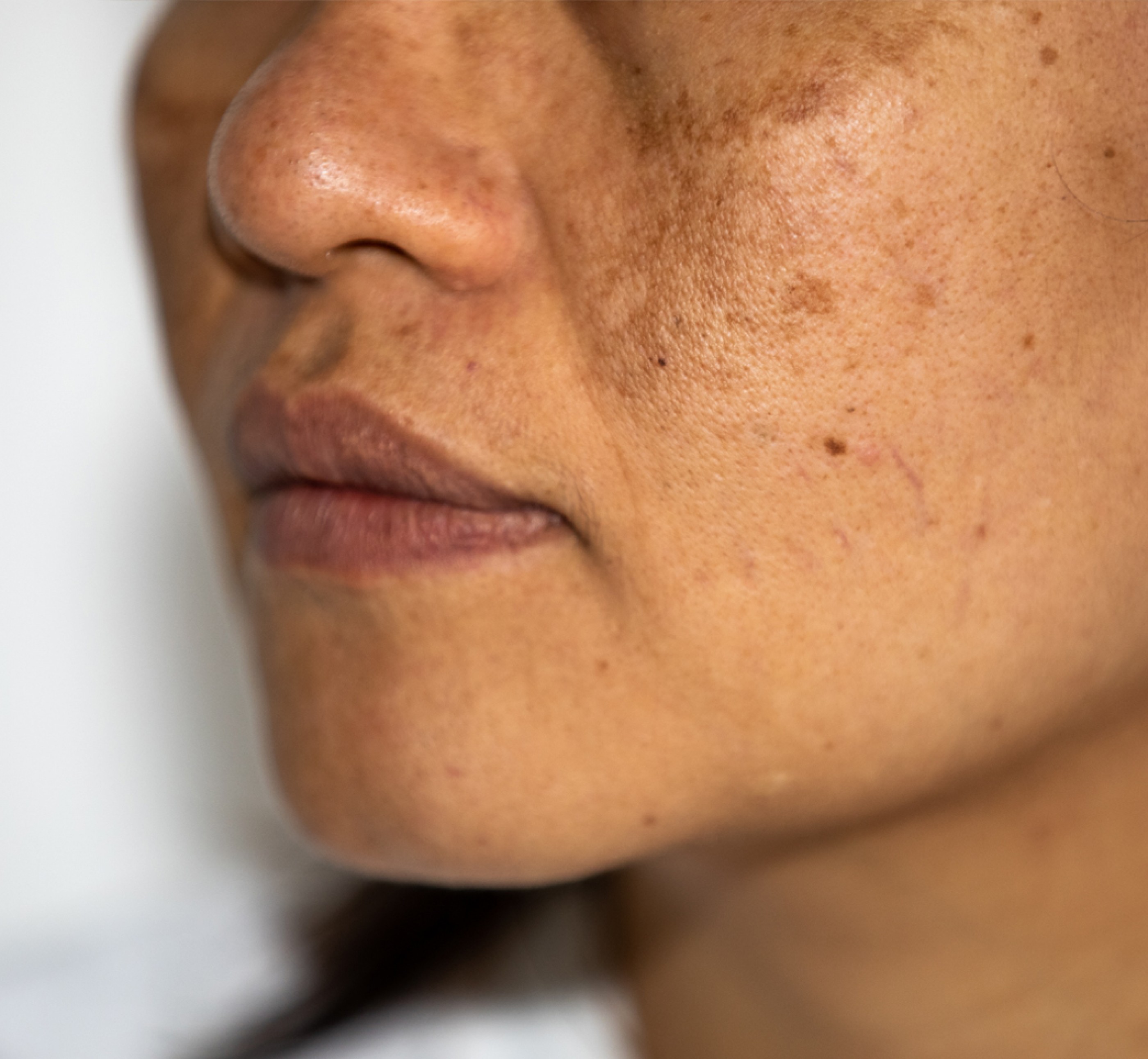
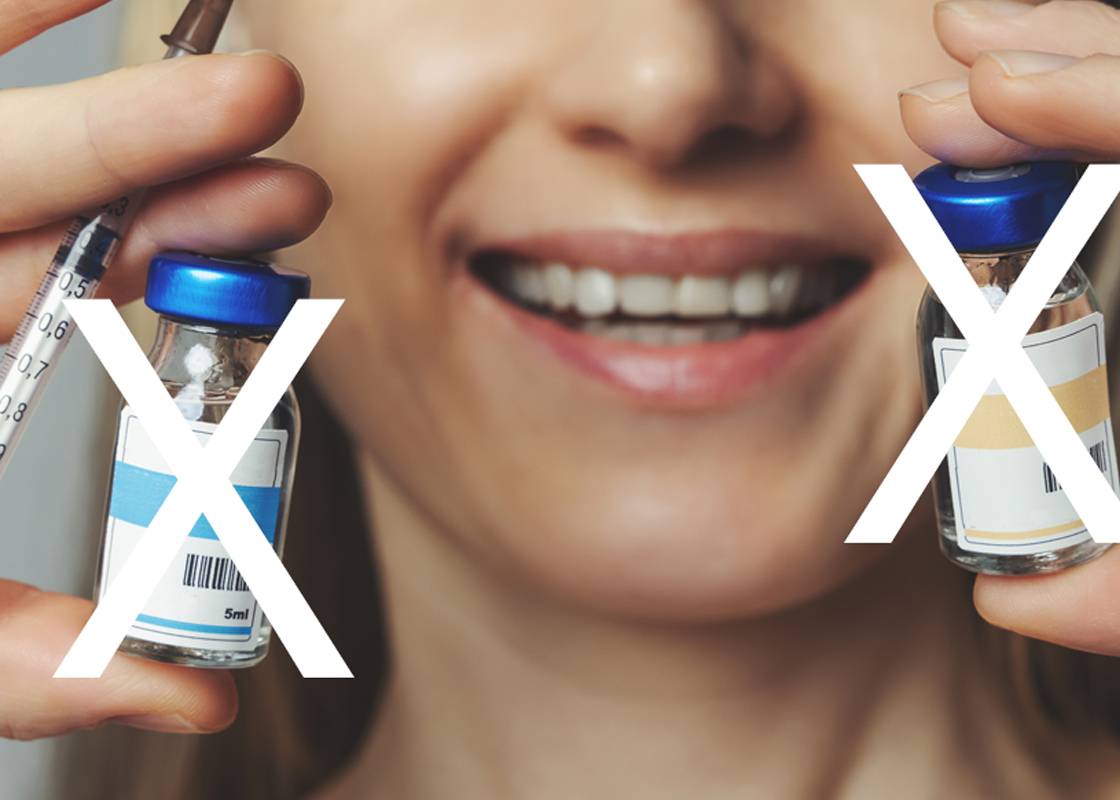
Melanotan II is a synthetic peptide built to imitate a hormone your body already makes naturally, called alpha-melanocyte-stimulating hormone. That hormone's job is to activate melanocytes, the cells in your skin responsible for producing pigment. When Melanotan II activates those same cells, it ramps up melanin production, which is what gives skin a darker, tanned appearance, even without sun exposure.
On paper, that might sound like a clever workaround. In practice, it's an unapproved product, typically self-injected, with no regulatory oversight on dosing, purity, or long-term safety, and it's become easy to purchase online with little more than a search and a credit card.
Why Dermatologists Are Concerned
The Skin Cancer Foundation recently spoke out about the growing use of Melanotan II, with its president publicly discouraging the use of it and similar unapproved tanning agents marketed as shortcuts to darker skin. That kind of statement from a major skin health organization isn't made lightly. It reflects real concern about how quickly this trend has spread and how little people understand about what they're actually doing to their bodies, a pattern we see with a lot of the skin cancer misconceptions circulating right now.
The core issue isn't just that Melanotan II is unregulated. It's what it doesn't actually do. Increased pigmentation from the peptide does nothing to protect your skin from UV radiation. Melanin production and UV protection are not the same thing, and darker-looking skin from an injection offers none of the natural defenses that make a true, gradual tan slightly more protective than pale, unadapted skin.
Many people using Melanotan II also pair it with actual sun or tanning bed exposure to speed up or deepen the effect, which means they're compounding their UV damage rather than avoiding it. That's a critical distinction: the peptide doesn't replace sun exposure risk, it often adds to it.
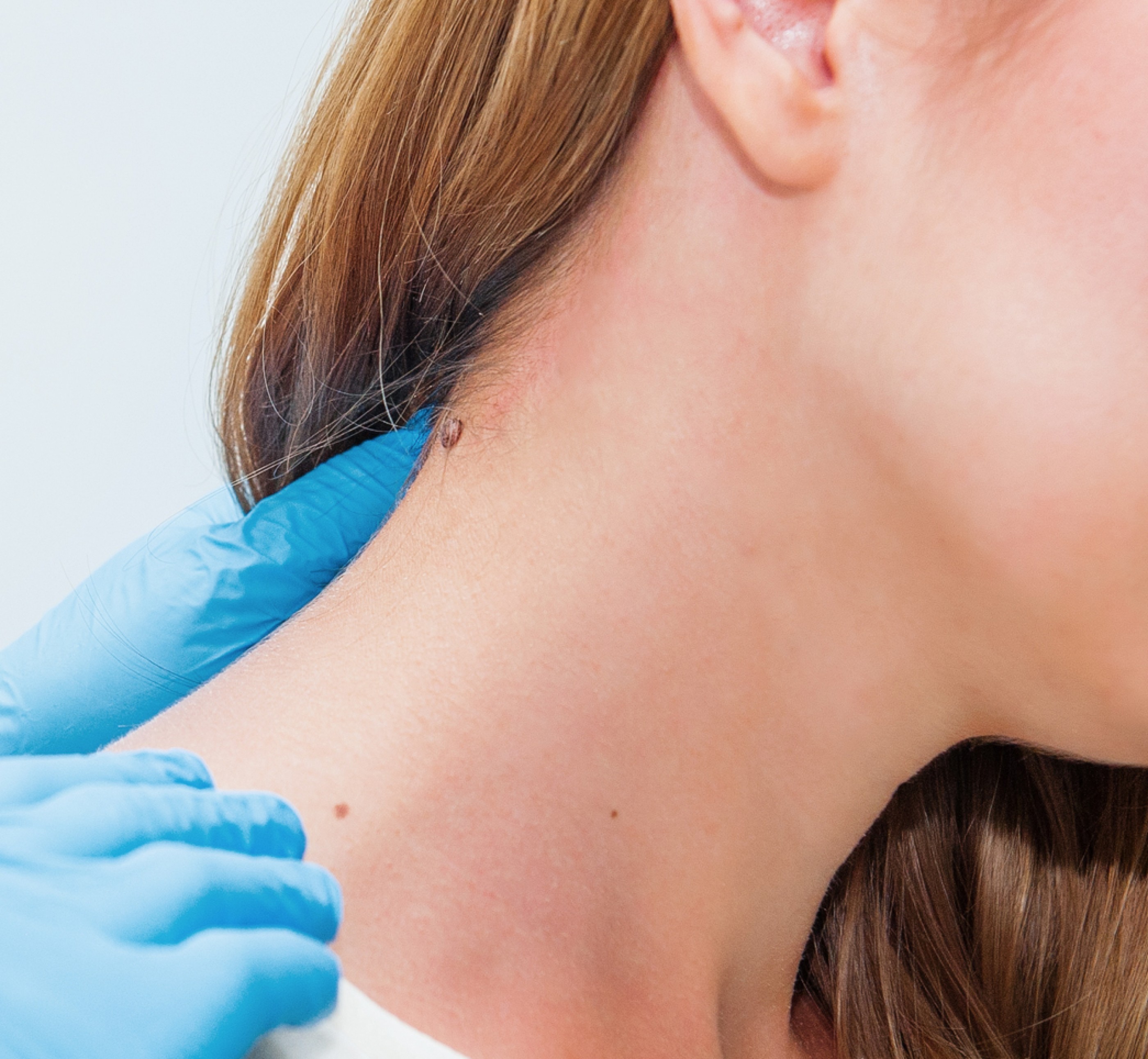
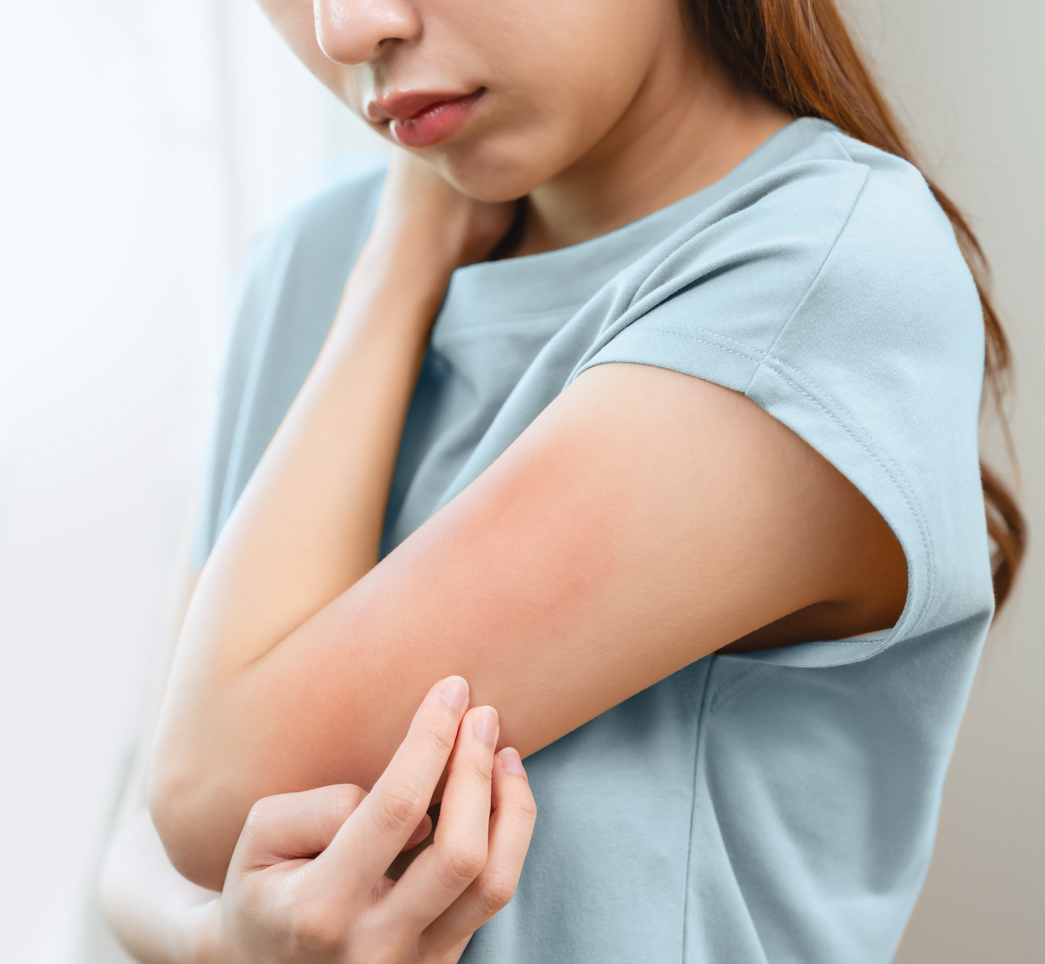
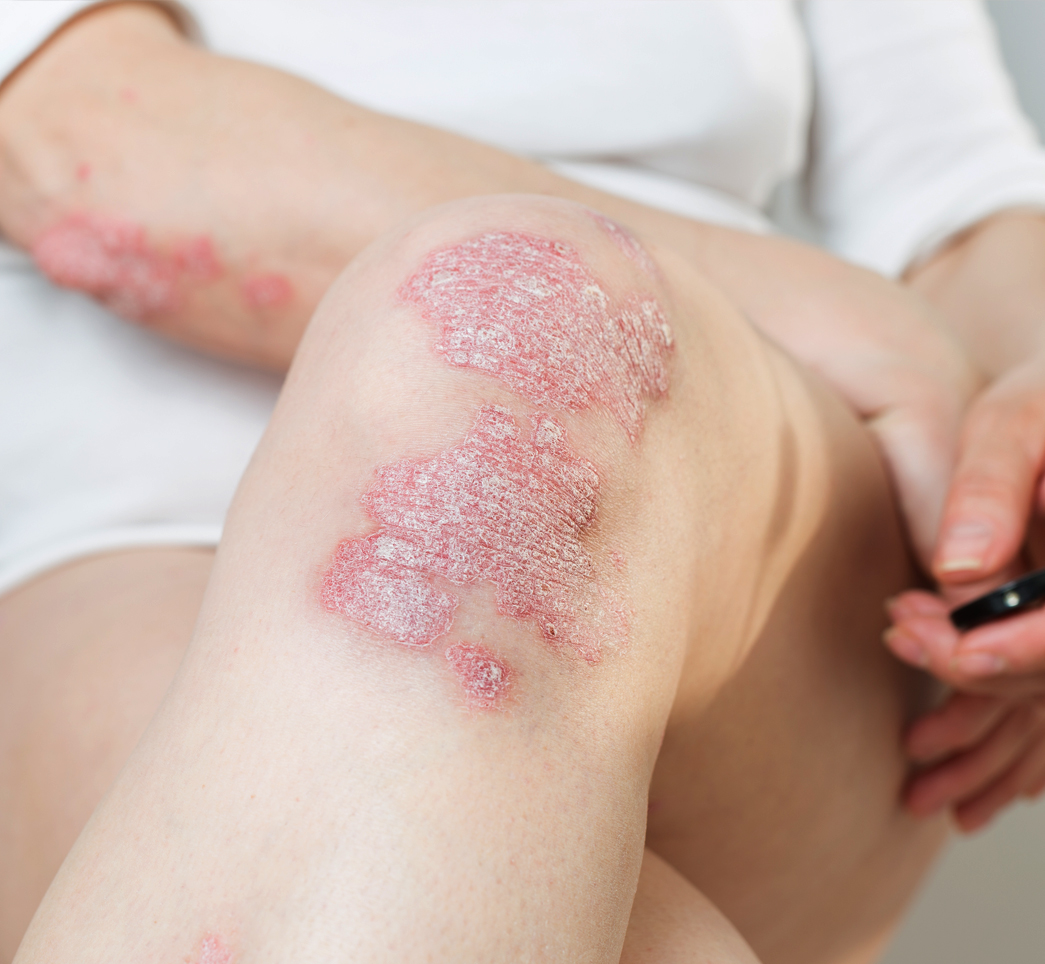
It's worth noting that Melanotan II isn't typically known for causing the kind of surface-level skin care issues you might expect from a new product, things like irritation, breakouts, or dryness. Its risks are systemic instead. Changes in existing moles, new pigmented spots, and a higher long-term risk of skin cancer are what dermatologists are watching for, which is a very different (and harder to self-monitor) category of concern than a typical skincare reaction.
Is There a "Best" Peptide for Tanning?
Not really, and that's the point. Melanotan II is the one getting the most attention, but any peptide marketed for cosmetic tanning falls into the same category: unapproved, unregulated, and untested for long-term safety in healthy skin. "Best" implies a safe option exists among them — it doesn't.
Does GHK-Cu Tan Your Skin?
GHK-Cu is a different peptide entirely, generally associated with wound healing and collagen support rather than pigment production. It's often lumped into the same social media conversations as Melanotan II, but it isn't designed or approved to change skin color, and using it for that purpose isn't something we'd recommend.
What Peptide Stimulates Melanin Production?
Alpha-MSH, the hormone Melanotan II is built to imitate, is what naturally tells your skin to produce more pigment. That's the mechanism behind the "tan," and it's also exactly why the peptide's effects are so unpredictable: you're overriding a hormonal signal, not applying a topical product.
Are Tanning Peptides Legal?
They're not FDA-approved for cosmetic tanning, which puts them in a gray area rather than a clearly regulated one. Legal to purchase in some cases doesn't mean safe to use, and it doesn't mean a dermatologist would ever recommend it.
Safer Ways to Get Color
If the appeal is simply a deeper, more even glow, there are options that don't involve injecting anything or gambling with your skin's pigment-producing cells:
• Sunless self-tanners: Lotions and mousses formulated with DHA can build gradual, natural-looking color without altering anything happening beneath the skin.
• Professional spray tans: Applied topically by a trained technician, these offer a controlled, even result with none of the internal risk.
Both options give you the look people are chasing on social media, without the unregulated sourcing, the unpredictable side effects, or the increased skin cancer risk.
When to Talk to a Dermatologist
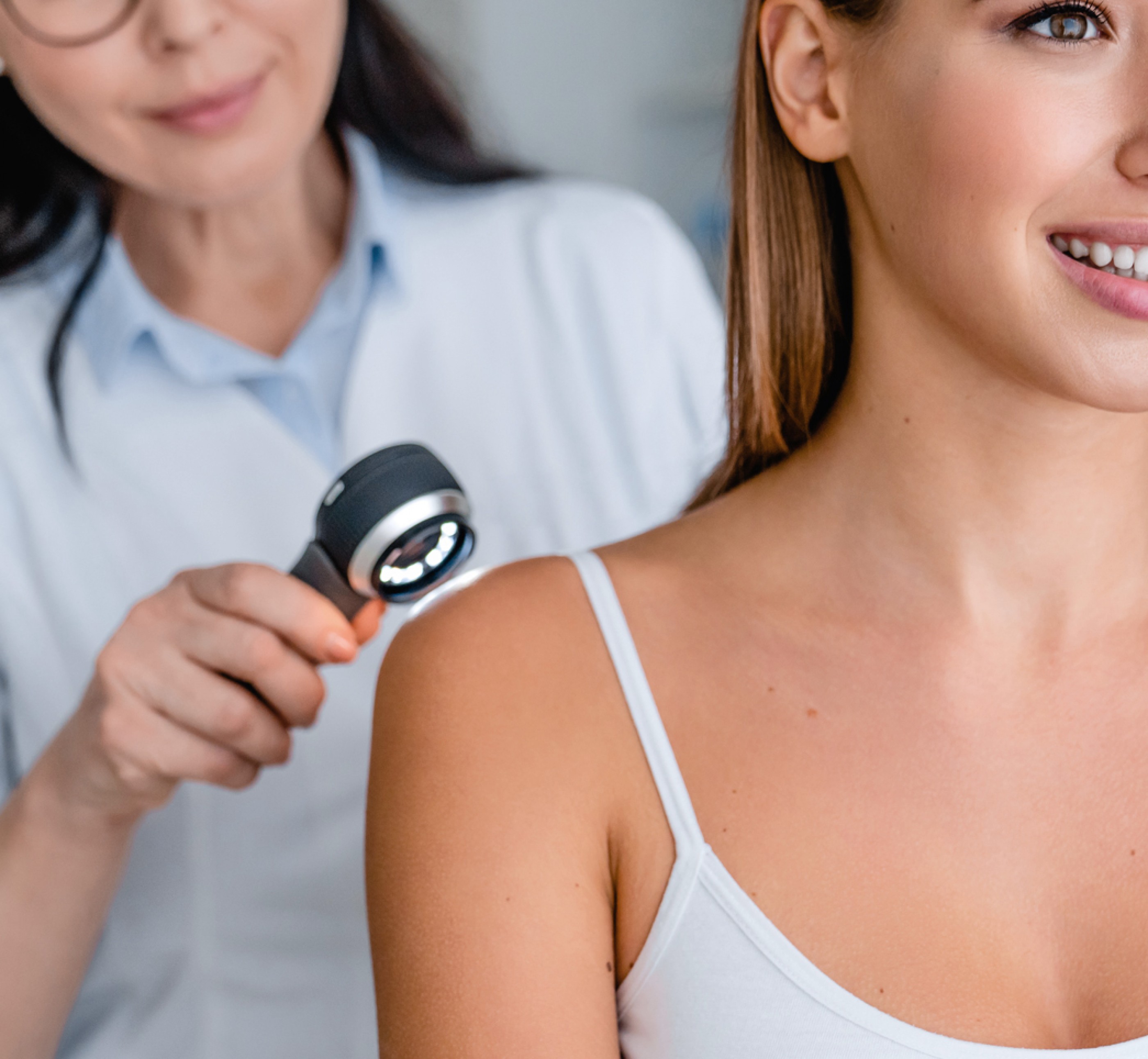
If you've used Melanotan II or are considering it, or if you've noticed any new or changing spots on your skin, it's worth having a conversation with a board-certified dermatologist. Concerning moles and lesions are exactly what our skin cancer screening exams are built to catch early.
At Springs Dermatology MD, we're here to help you make sense of what's actually happening with your skin, without judgment, and without pushing you toward the newest trend just because it's trending.
Call (770) 771-6591 to schedule a consultation with our physicians.